The expansive green landscapes and spectacular church complex of Romena will have you dreaming.
The first thing I did in the morning was to line my eyes with a thick rim of turquoise eye liner I had purchased along with sun cream in the town pharmacy yesterday. Meeting Anna in Montemignaio had left a big impression on both of us with her organic, healthy way of life and I sought to emulate something of her serenity. I wouldn’t be able to keep sheep with my work schedule and pickling my own walnuts appeared too much labour, so make-up seemed like a good enough place to start.
‘Sei Bellissima,’ said Alina. And with that, we grooved on down to the song of the same name by Annalisa.
Then she introduced me to her chat GBT mentor. He’d searched me up online and recited a shockingly accurate amount of information in a friendly tone.
I’m a luddite. On this trip she is teaching me how to use the new technology my students swear by.
We had another delicious breakfast of pesto toast on the patio in the rising sun and were up and at ‘em and back on the Dante trail by 8am. We passed houses where dried grain hung outside the porch. It shone golden in the sunlight. A child who looked about 8 sped past on a motorbike.

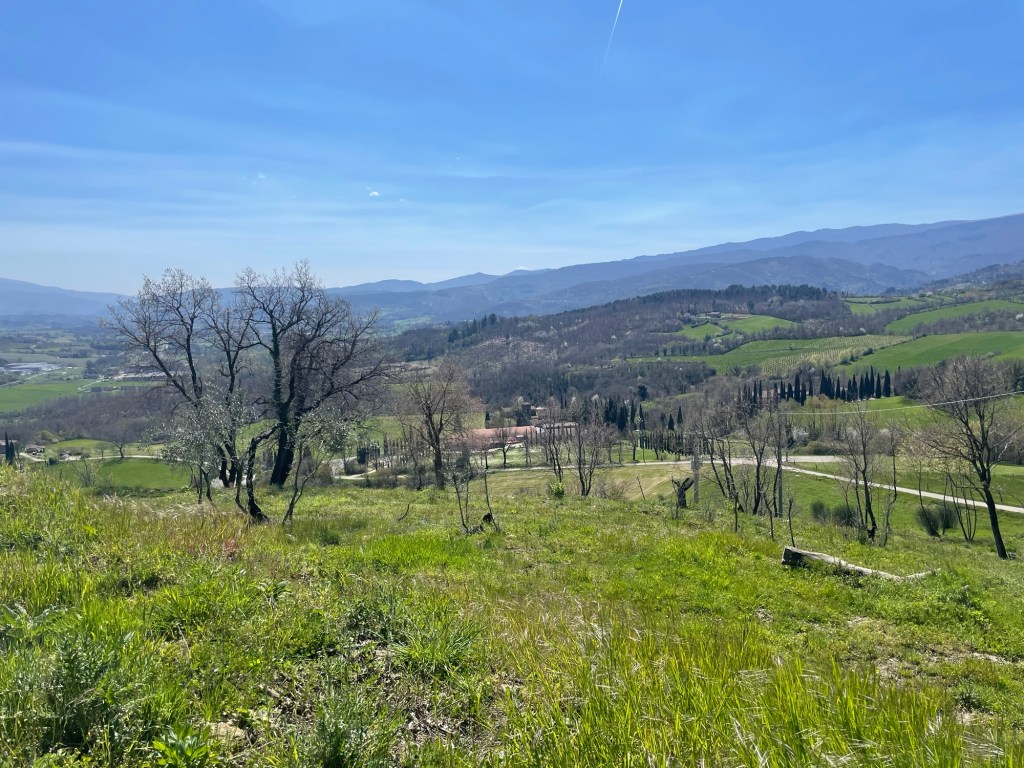
The stunning hilly scenery around Castel San Niccolò is interrupted by industry. The path is thick with hoof prints and acorn shells and lined with buttercups, dandelions and grape hyacinth. Butterflies and petals from the blossoming trees sweep across on the wind.
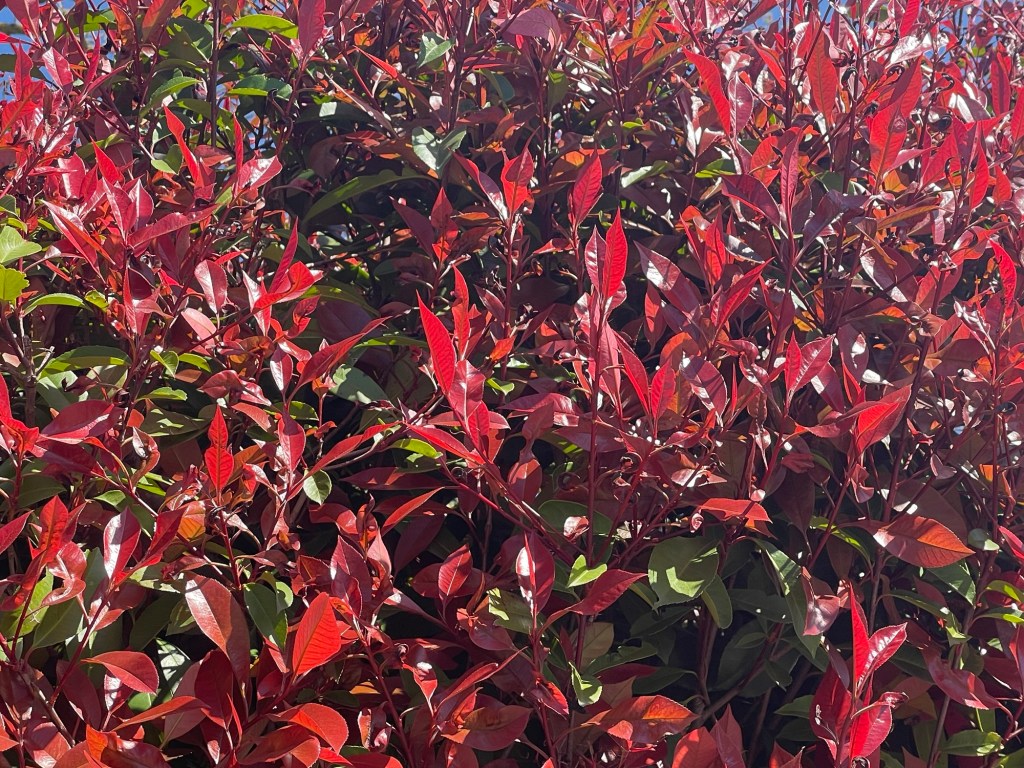
Interrupting the hedgerows are flaming trees the colour or Alina’s hair.
We saw the first cows of our trip, stopped to pet a number of horses and were hissed at by geese who appeared menacingly above the fence like the three-headed Cerberus.
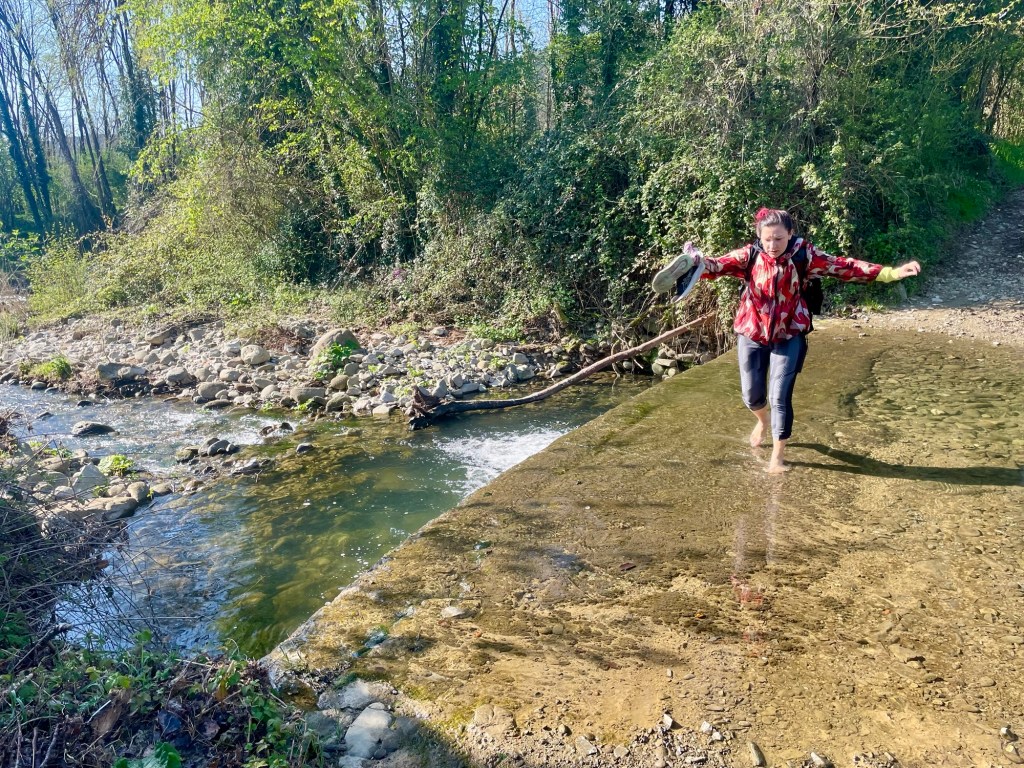
On our way out of the town we crossed a stream. Alina had the sense to remove her trainers and traverse it barefoot.
I got wet feet.
I feel like Virgil would have chastised Dante for this stupidity as he does many times on their journey together through Hell and Purgatory. Alina just laughed.
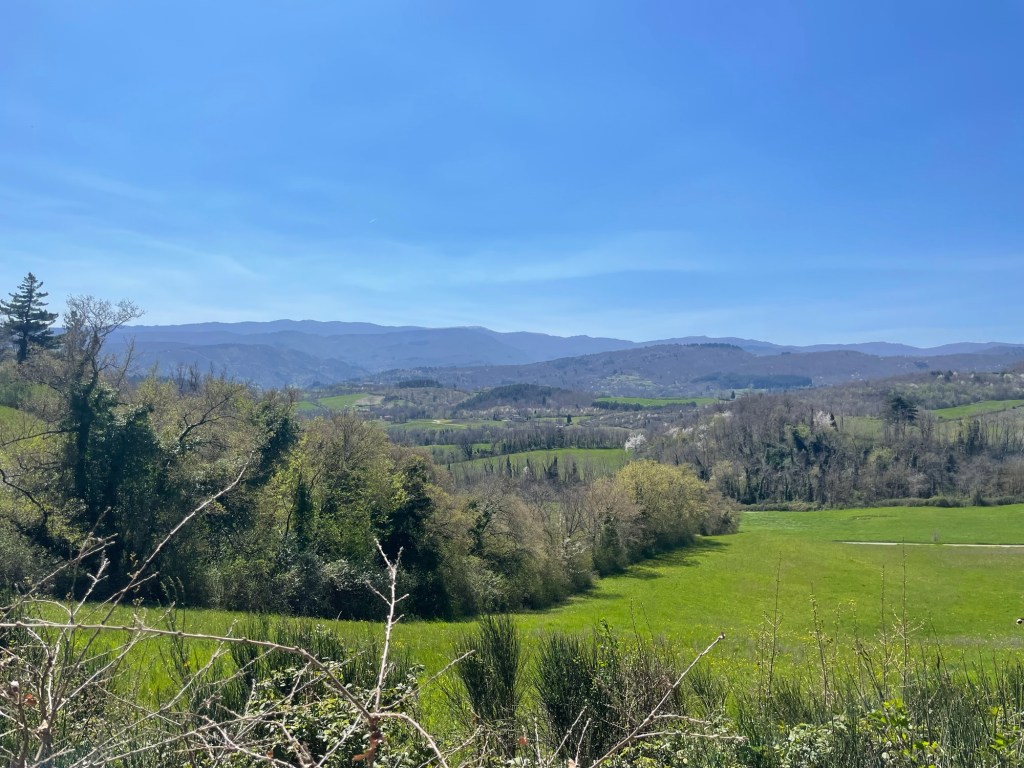
We’d spent the last couple of days crunching through brown leaves in a climate that could have been mistaken for autumn if it were not for the primroses. But exiting the forest today, it felt like Spring had truly come. A gentle hike up afforded expansive views across the surrounding hills. The sun shone brightly on our faces and now it was my turn to be reminded of England. Alina said it also recalled Crimea where she would spend her holidays as a child.
As we stopped in a field next to a towering hay bale which was taller than me at five foot two, I was reminded of the poem L’Infinito by Giacomo Leopardi, an Italian poet born in 1798 in Naples.
The Infinite
‘This solitary hill has always been dear to me
And this hedge, which obscures from me
The endless horizon.
But when I sit and gaze, I imagine, in my thoughts,
Endless spaces beyond the hedge,
An all-encompassing silence and a deeply profound quiet,
To the point that my heart is quite overwhelmed.
And when I hear the wind rustling through the trees
I compare its voice to the infinite silence.
And I recall eternity, and all the ages past,
And the present time, and its sound.
Amidst this immensity my thought drowns:
And to flounder in this sea is sweet to me.’
‘Sempre caro mi fu quest’ermo colle,
e questa siepe, che da tanta parte
dell’ultimo orizzonte il guardo esclude.
Ma sedendo e mirando, interminati
spazi di là da quella, e sovrumani
silenzi, e profondissima quïete
io nel pensier mi fingo, ove per poco
il cor non si spaura. E come il vento
odo stormir tra queste piante, io quello
infinito silenzio a questa voce
vo comparando: e mi sovvien l’eterno,
e le morte stagioni, e la presente
e viva, e il suon di lei. Così tra questa
immensità s’annega il pensier mio:
e il naufragar m’è dolce in questo mare.’
Once again, I’ve taken a stab at my own translation. ‘Naufragar’ – to flounder or to drown? I wish I had Anna’s Zingarelli dictionary.
The poem, written in the Marche region in 1819, is a prescient nod to the modern mindfulness movement. This is something my colleague Will at the University of Birmingham refers to in a recent work as ‘McMindfulness’ for its ubiquitousness in social prescribing. Every other person seems to have an app on their phone, but how mindful are we really?
Leopardi’s poem reminds us that contemplating the infinite nature of the horizon when in nature can return us to a sense of peace. It’s not quite the same as having a low-pitched American drawl telling us to ‘feel our feelings and let them drift by like clouds in the sky’, but it’s something akin to it and dare I say superior?
Alina and I spent a moment of silence contemplating the hedges and horizons around us and were quietly moved.
Walking up to the steep path to the rural church and complex of San Pietro a Romena, we were greeted by a man selling groceries from a battered old vehicle. At first, I thought it was an ice-cream van – damn. But it turned out to be a worthy pit stop anyway.
‘Where are you from?’
We replied.
‘Oh shit, there’s a war in your country,’ he told Alina.
‘Thanks for letting me know,’ she said.
‘Bastardi, those who make war should make love,’ he continued, a look of lust creeping over his narrow eyes.
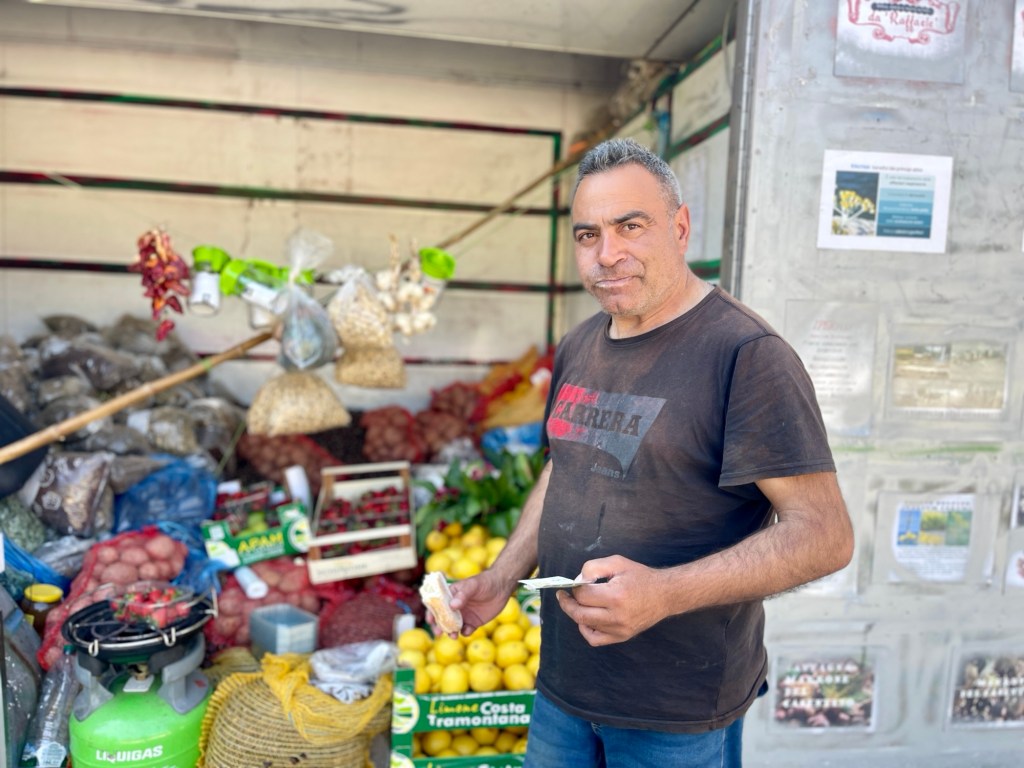
Raffaele was eating straight from a can of tuna from which the tin lid flapped like a fin over the side. He had breadcrumbs around what he called his ‘muzzle’ and beseeched us to ‘stop and eat something with me!’
He had a fuel stove and paper plates in his van.
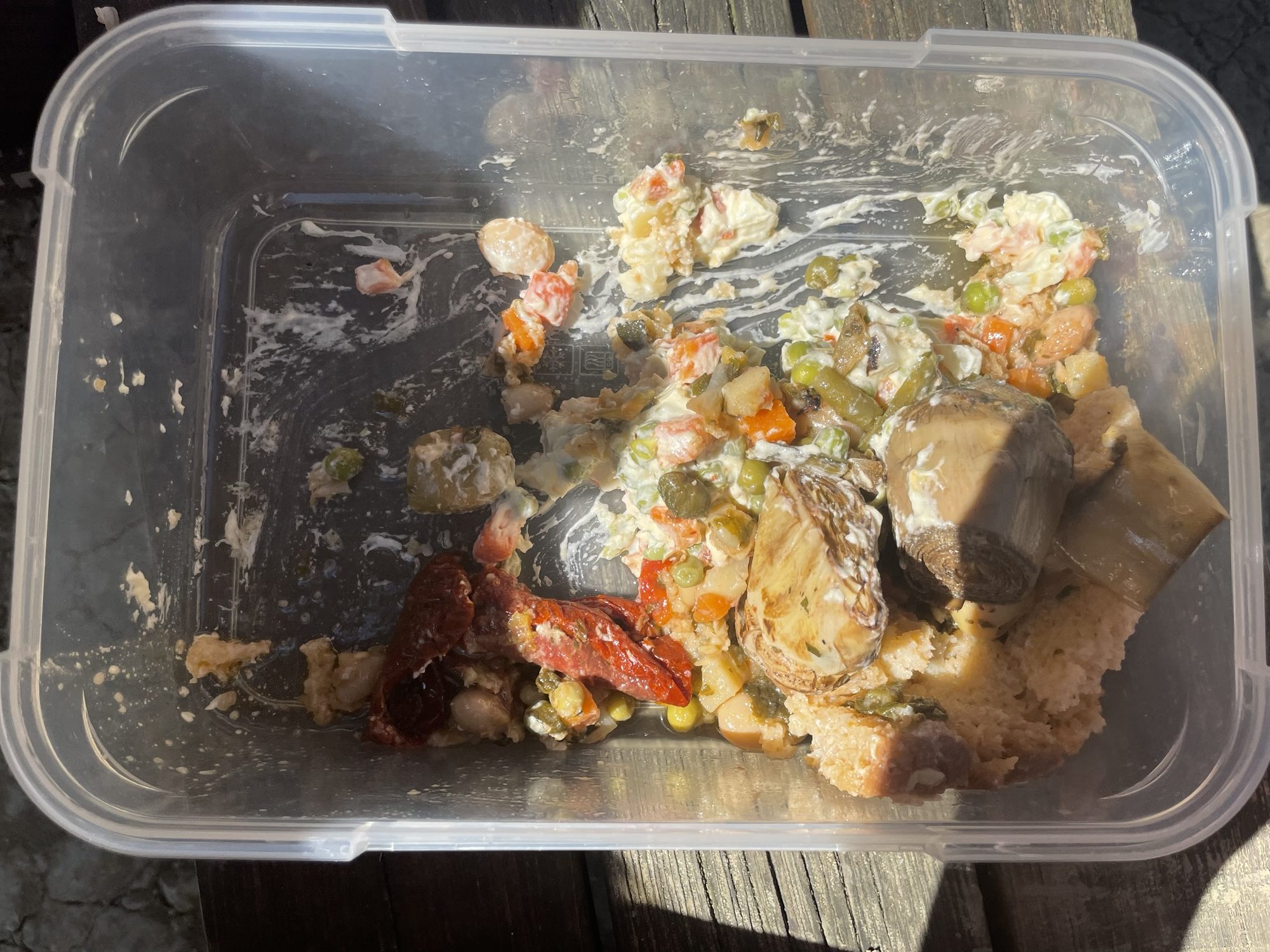
We kindly refused the offer – we had a Tupperware full of treats from the deli yesterday to attend to. Alina said the way the salads had mixed together reminded her of the first day of January in Ukraine where you eat all the leftovers. She is a stickler for not wasting food.
We purchased fresh strawberries and a huge bag of peanuts in their wrinkly shells for 5 euros and went on our way after exchanging a sweaty, and perhaps slightly too familiar, hug.
San Pietro a Romena is a tranquil oasis which extends way beyond the Parish church over the cascading fields.
Located on the slopes of the hill dominated by the remains of the castle of the Guidi Counts, on the right bank of the Arno, in the territory of the municipality of Pratovecchio Stia, the baptismal church is a masterpiece of Romanesque architecture.

The building, declared a national monument for its importance, was built in 1152. The place name of Etruscan origin, Romena probably already housed a temple that was readapted in Roman times. A Christian building later rose on the pagan building.
Descending under the staircase on the right wall, you can admire the traces under the present raised presbytery of an early medieval church built between the eighth and ninth centuries.
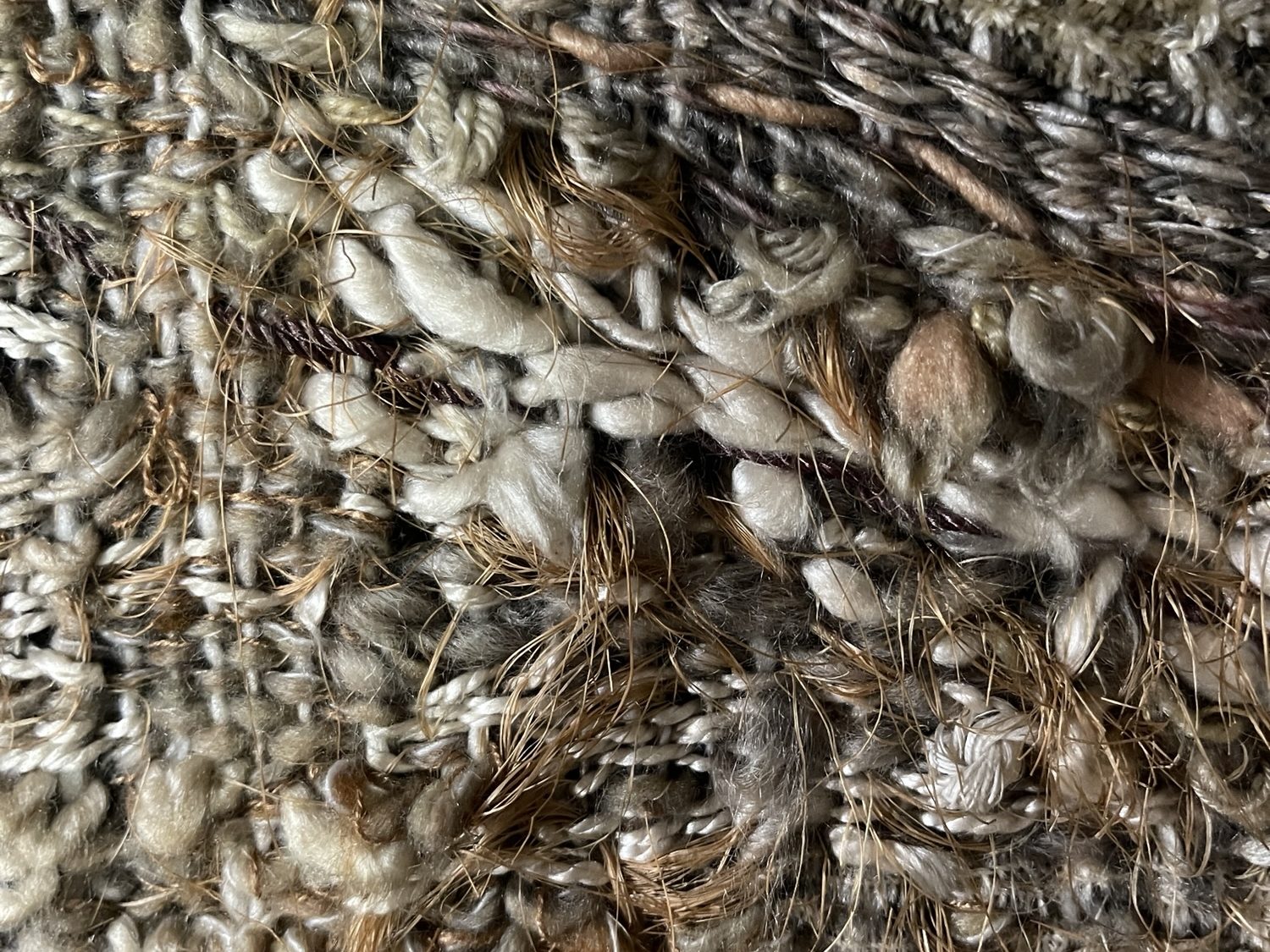
Art adorns the church, though it is simple: rustic tapestries and painted wooden panels.
Volunteers were cleaning and delicately placing olive branches in preparation for Palm Sunday.
Surrounding the church is a range of art, a conference suite, a meditation room, a café, bookshop, and gardens containing medicinal herbs and olive groves. There is no escaping the sense of tranquility afforded by the expansive complex.
A blend of Tracy Chapman and reggae played in the background as we perused the gift shop which was run by another spectacular 80-year-old woman who wore fashionable round, green glasses and a coral necklace. Behind the till, on the wall, friends had photoshopped her face and a glass of wine onto an image of the fashion icon, Iris Apfel with the quote,
‘First they say enough, you’re crazy, then they make you a saint.’
We admired her massive rings. One was made of silver, transformed into a circle of beads that encased a large labradorite.
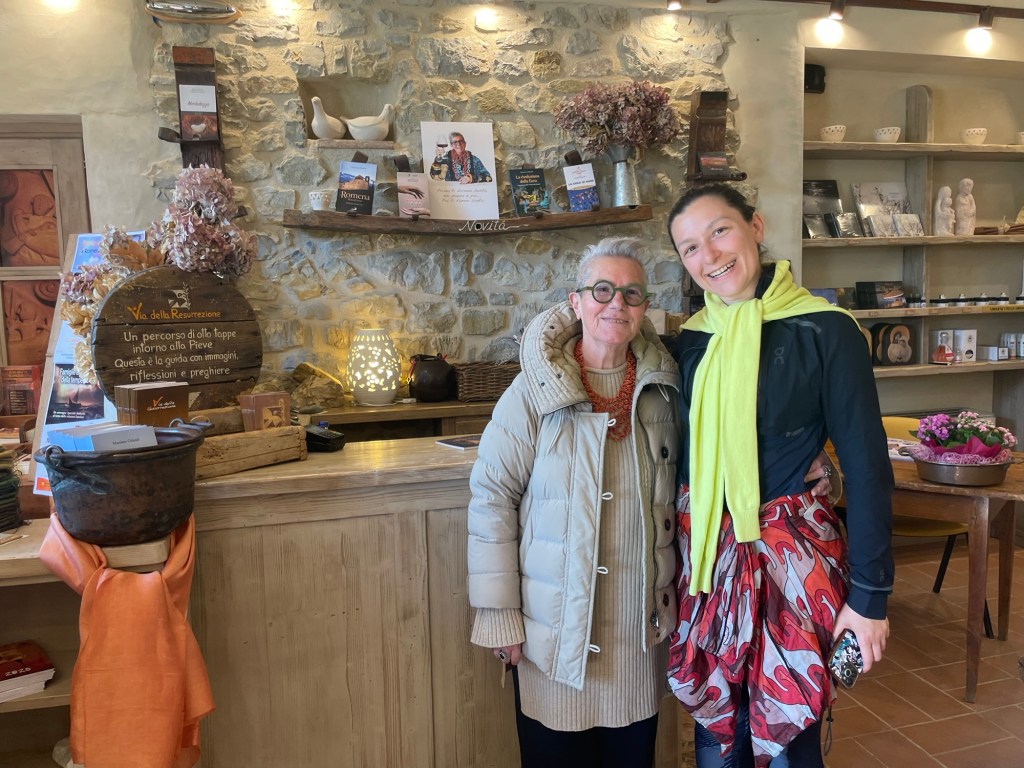
‘Oh cool,’ came the voice of Alina as she pawed a book about one of her favourite singers, Gianmaria Testa. It turned out he had performed here. The singer and guitarist, who died in 2016, is something of an Italian Leonard Cohen, though in his lifetime he didn’t receive the same critical acclaim.
Throughout his musical career, Testa continued to work as a station master at the train station in Cuneo. One quote from the book read,
‘Poetry is literature’s form of combat.’

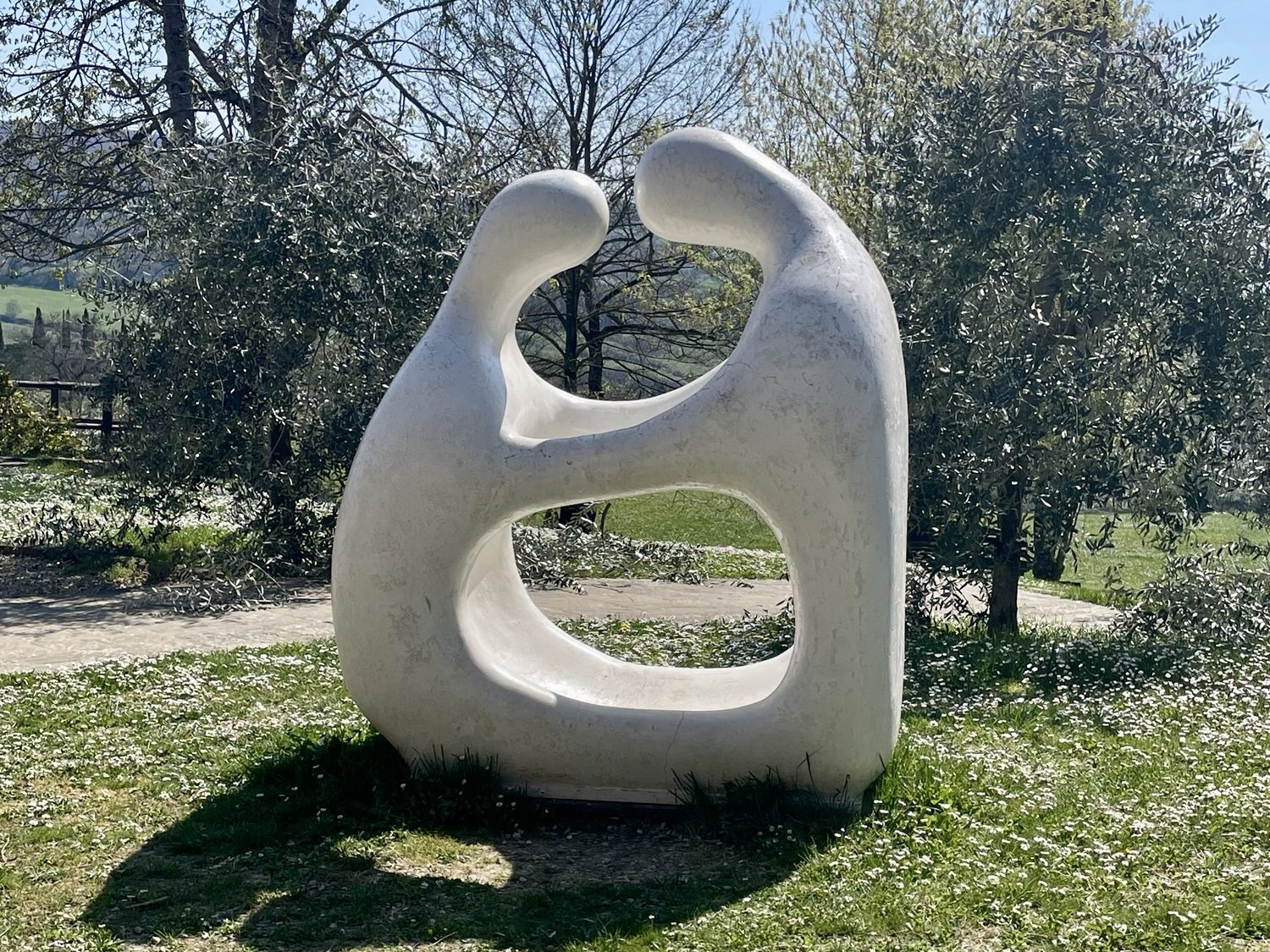
A dozen other quotes and pieces of art were scattered across the complex. These included a steel silhouette of Banky’s Girl with Balloon and a beautiful white sculpture of a couple embracing.
On an old door there appeared the words,
‘Everyone is looking for a bit of bread, a bit of affection and to feel at home somewhere.’
The place was very quiet, but we were informed that on Sundays it attracts up to 1,000 people, as we would soon find out.
‘The door is always open’, the lady in the café informed us.
A wooden placard beside the door displayed a quote by Marcel Proust,
‘Real travel doesn’t mean looking for new lands, but having new eyes.’
A sign in the café read,
‘A coffee, 3 euros’
‘A coffee please, 2 euros.’
‘Hello, may I have a coffee please, 1 euro.’
After a peaceful break, we hiked up the hill to Branda font. It is referenced by Dante in Inferno, canto 30 which depicts mutilated souls who, as follows the principle of contrapasso whereby the sin becomes the punishment, have been damned for representational and economic fraud.
Dante was clearly struck by the streams and hills of the Casantino landscape too and likely stayed in the castle on the hill. He writes of one soul from Romena who counterfeited money,
‘The rivulets that fall into the Arno
down from the green hills of the Casentino
with channels cool and moist, are constantlybefore me; I am racked by memory—
the image of their flow parches me more
than the disease that robs my face of flesh.There is Romena, there I counterfeited
the currency that bears the Baptist’s seal;
for this I left my body, burned, above.’
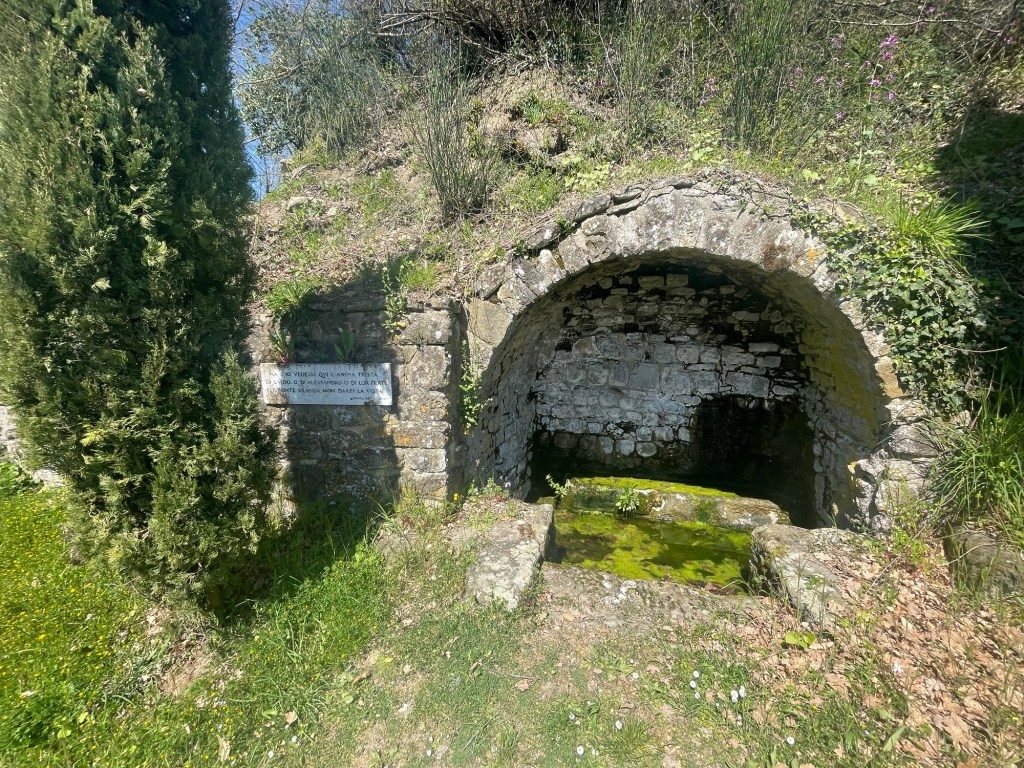
Dante then stages a meeting with Guido, Alessandro, or their brother,
‘I’d not give up the sight for Fonte Branda.’ He writes. Dante also mentions the Castle of Romena where the forger Adamo produced his florins.
The punishment of those in Hell is that they are perpetually tormented by memories of their past lives without being able to move forward.
Alina and I moved forward, walking past the castle through an avenue of lego green cyprus trees.

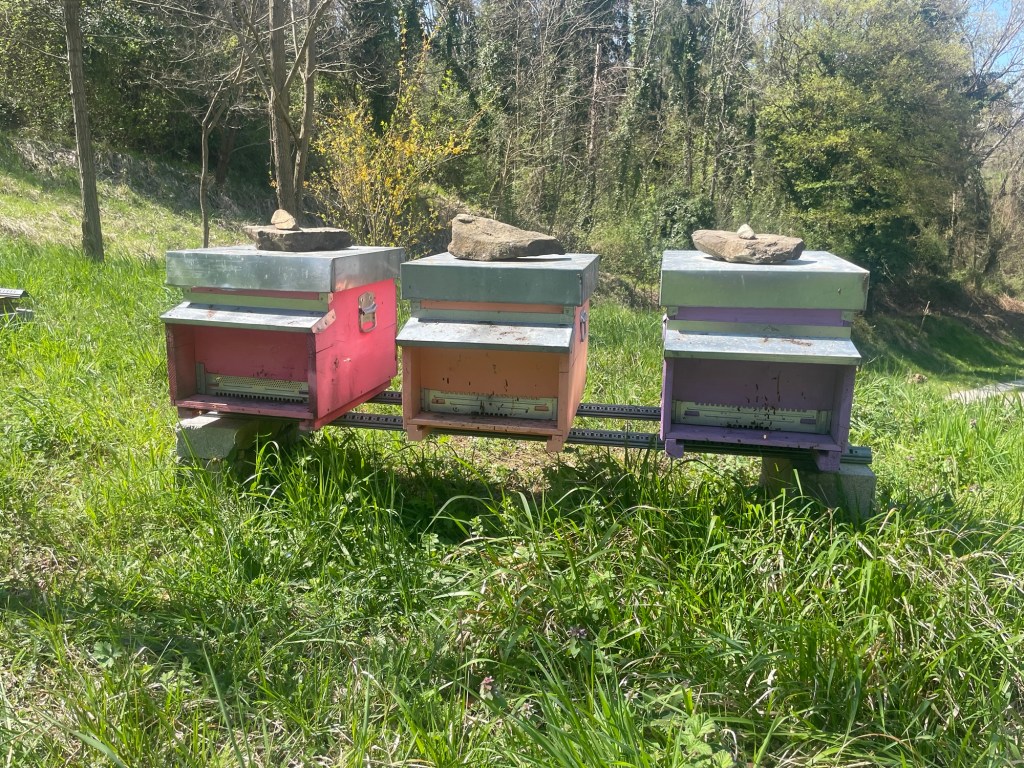
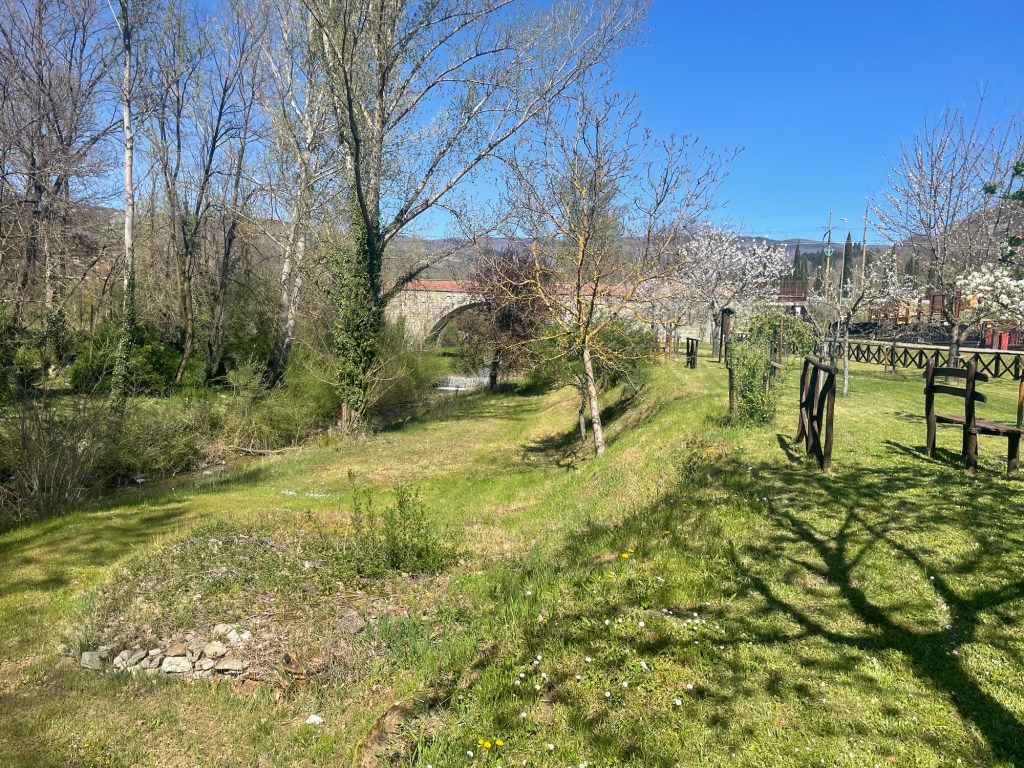
On our descent into the town of Pratovecchio, we encountered rusty tractors pulling ploughs in fields and beehives buzzing with life. It was easy to imagine Dante here, sat beside one of the many streams. Time seemed to have stopped in this part of Tuscany, if it were not for the electric cables and roar of motorbikes on the asphalt road.
In Prato Vecchio, known for the swallows that inhabit its grand porches, we stopped for a drink in a small café where we met a musician, theatre producer and yogi from the south of Italy, called Massimo Kyo. He had medium-long hair which was half tied back and kind eyes. He told us his second name had come to him in a dream.
Like Raffaele, Massimo Kyo also asked us where we were from. But he was somewhat more diplomatic in his reply when Alina responded with ‘Ukraine.’
‘Oh…I mean, how do you feel?’
She was surprised at the question – ‘no one ever asks me that,’ she said.
During the next hour of casual conversation he informed us that ‘Casentino is a magical place where you meet the people you have to meet’.
When we shared that we were on the Dante trail he offered up the theory that Dante had experimented with natural drugs to enter his imaginative afterlife.
‘Young people here go and look for mushrooms that grow in cow shit nearby,’ he explained.
Massimo kindly offered for us to use any of his music or jingles we liked for the podcast we have been recording as we walk and invited us to spend the next day together, saving Alina’s number in his phone as ‘Alina walker’.
I went to pay in the bar, commenting that I liked the tattoos of the bartender, one of which showed the stylized outline of a little girl holding her mother’s hand.
‘Oh, this is my little girl who never was,’ she explained.
‘She’s beautiful,’ came my reply.
The toilet was an old school squat.
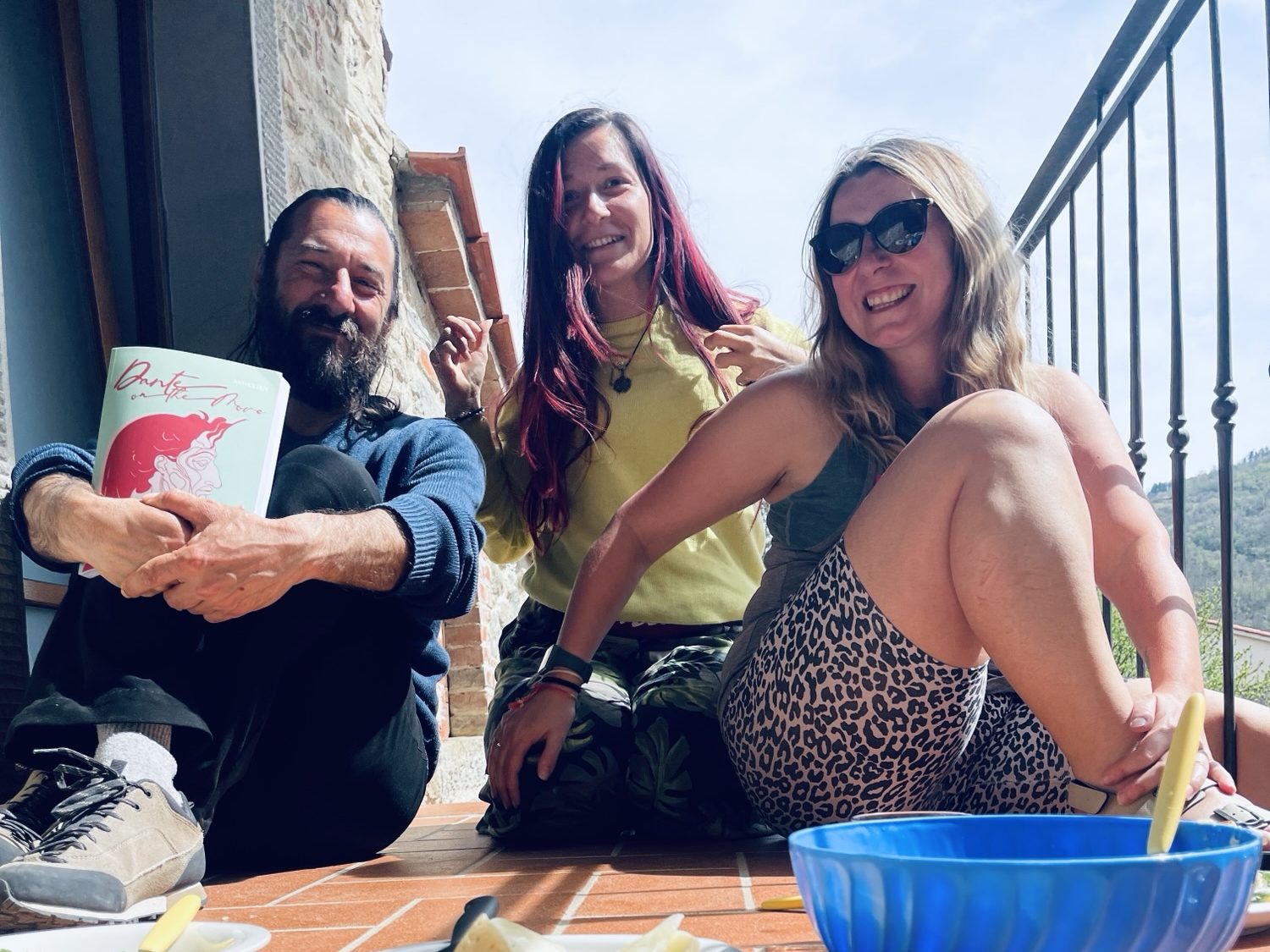
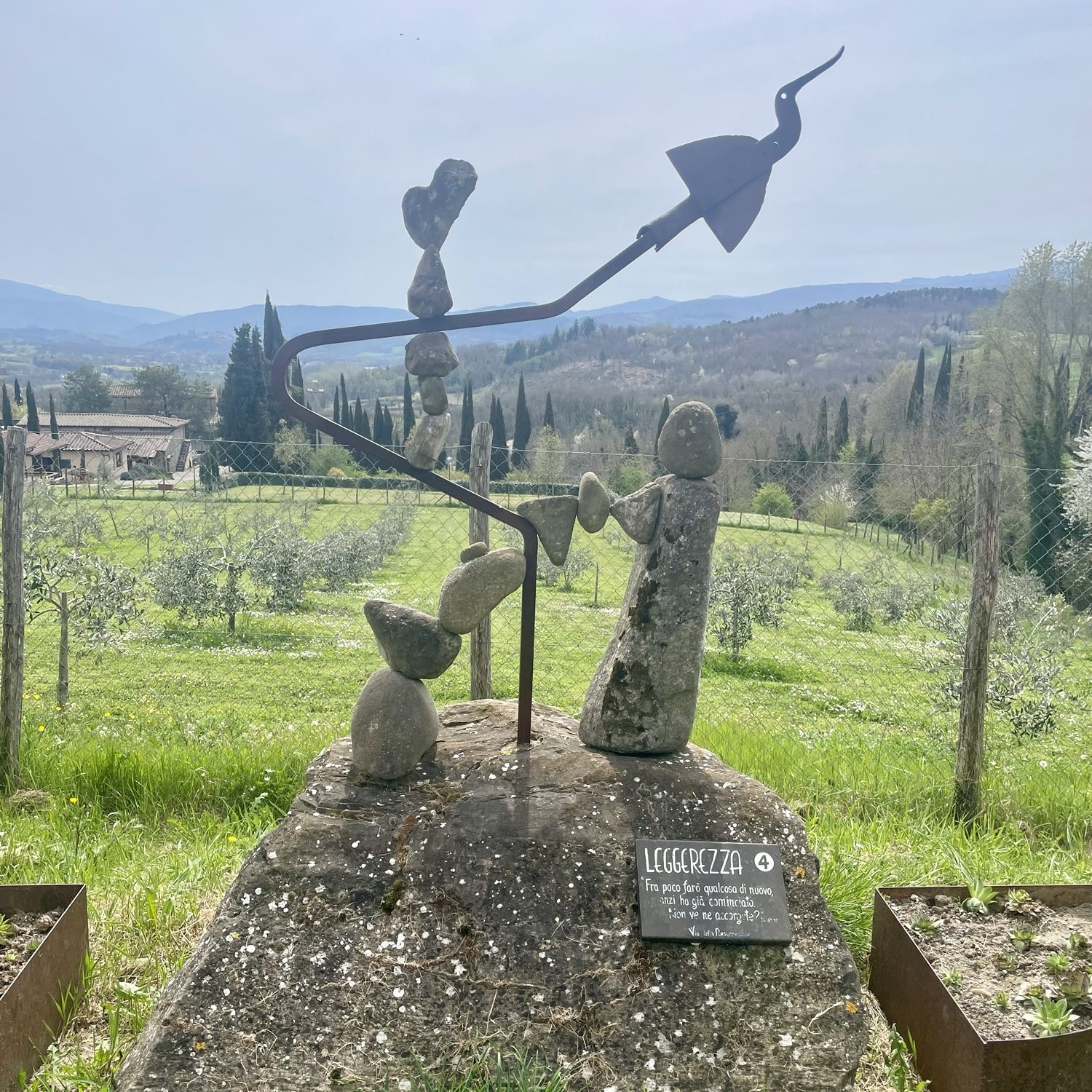
We spent Sunday, our rest day, with Massimo, returning to Romena where he showed us his favourite spots. They included the Via della Resurrezione – the Path of Resurrection. On the way a sign read,
‘Before long you will do something new, in fact you’ve already started, don’t you see it?’
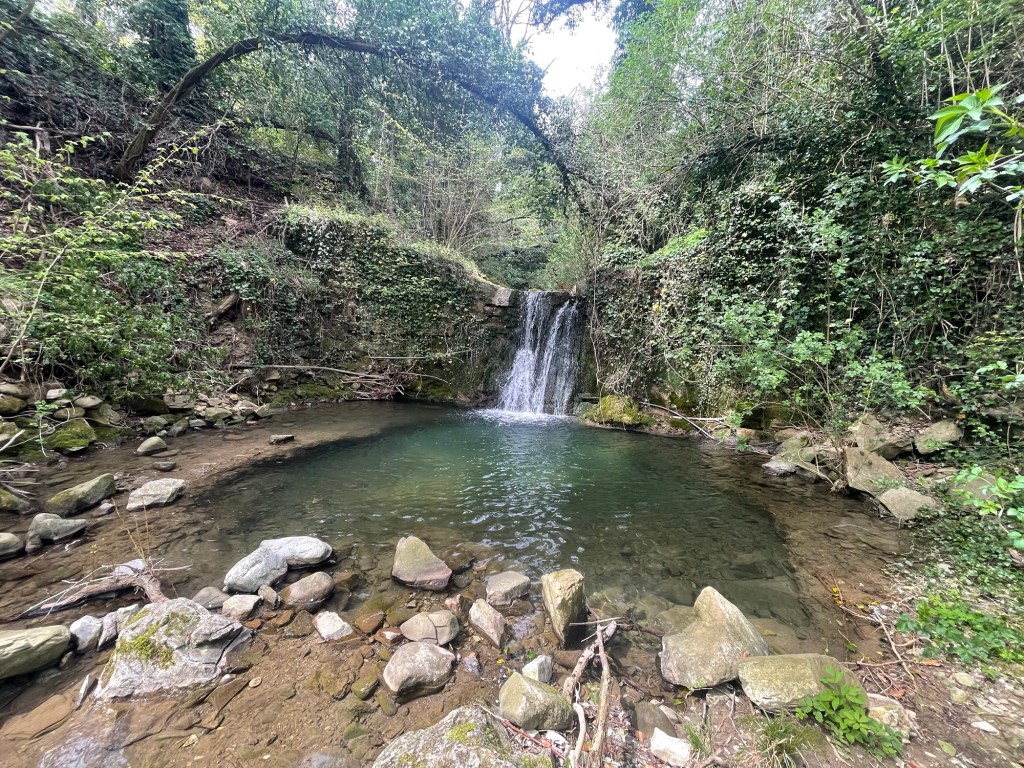
The path ,which was pitted with art, flowed through the olive groves , ending in a stunning waterfall that fell into a turquoise pool the colour of my eyeliner. We sat and Massimo asked if we’d like to sing some mantras together.
We did.
I was taken back to Sri Lanka and to Tye, my mantra teacher who would bring us all to tears with her harmonium singing the Ganesh Maha Mantra, Om Gam Ganapataye Namaha.
Thereafter we discussed our hopes and dreams. I shed a tear as I declared that one of mine was to finish the cammino.
‘You will,’ Massimo sagely confirmed.
Though I don’t believe in God and think this life is all we have to make what we can of it, I really did feel like a pilgrim.
Perhaps I do have a latent spiritual side after all.
Before we left, we returned to the giftshop where I bought Alina the Gianmaria Testa book and, at Massimo’s advice, some ‘nardo’ oil, made at the property.
Known in English as Spikenard, nard, nardin, or muskroot, nardo is a class of aromatic amber-colored essential oil that comes from a flowering plant in the honeysuckle family. The oil has been used over centuries as a perfume, a traditional medicine, or in religious ceremonies across a wide territory, from India to Europe. It is said that the Virgin Mary used it to anoint the body of Jesus when he was removed from the cross.
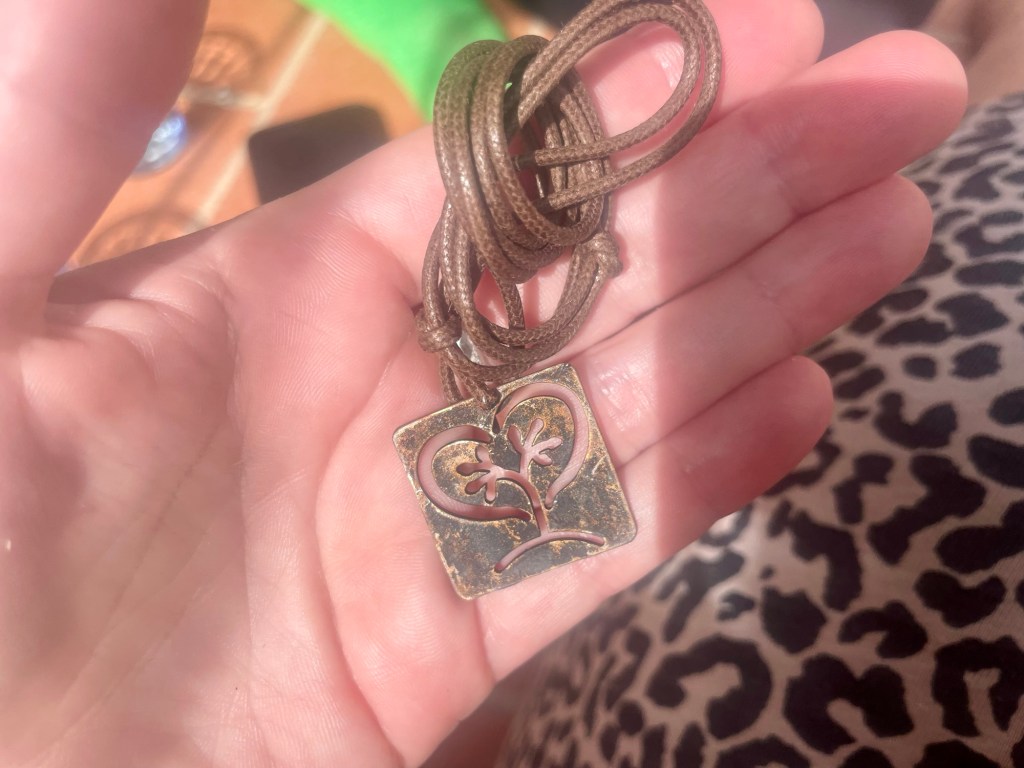
Back outside, Alina gifted me a beautiful artisanal necklace that she had bought which depicts an almond tree. The accompanying card contains a quote from Luigi Verdi,
‘Like the almond tree, you are the first to flower and the last to give fruit.’
‘It reminded me of you and your Dante book,’ Alina explained. ‘You’re flowering now, and you have to trust that the fruit will come.’
On the way back, Massimo took us to the supermarket, kindly relieving us of the one hour hike up to Casalino we had done yesterday which would have been strenuous with shopping bags, however beautiful with its surrounding fields and pathway through the ‘park of endangered fruit trees’. Alina had experienced foot cramps on the steep hill and so we’d stopped to record our podcast overlooking the fertile valley which was lit up by the sunshine like a strip light over a painting in a gallery.
I bought Massimo a little succulent with three buds,
‘It’s us,’ I said.
He blinked a few times and smiled.

Back at our air b and b we had an aperitivo with a selection of regional cheeses and made daisy chains in the pretty garden which we accessed from our apartment, number 74, via terracotta steps.
Alina’s method involved plaiting the flowers together whereas mine relied on poking holes in the stems and threading them through. I was thrilled to do this since as I child I bit my nails and was unable to do so.
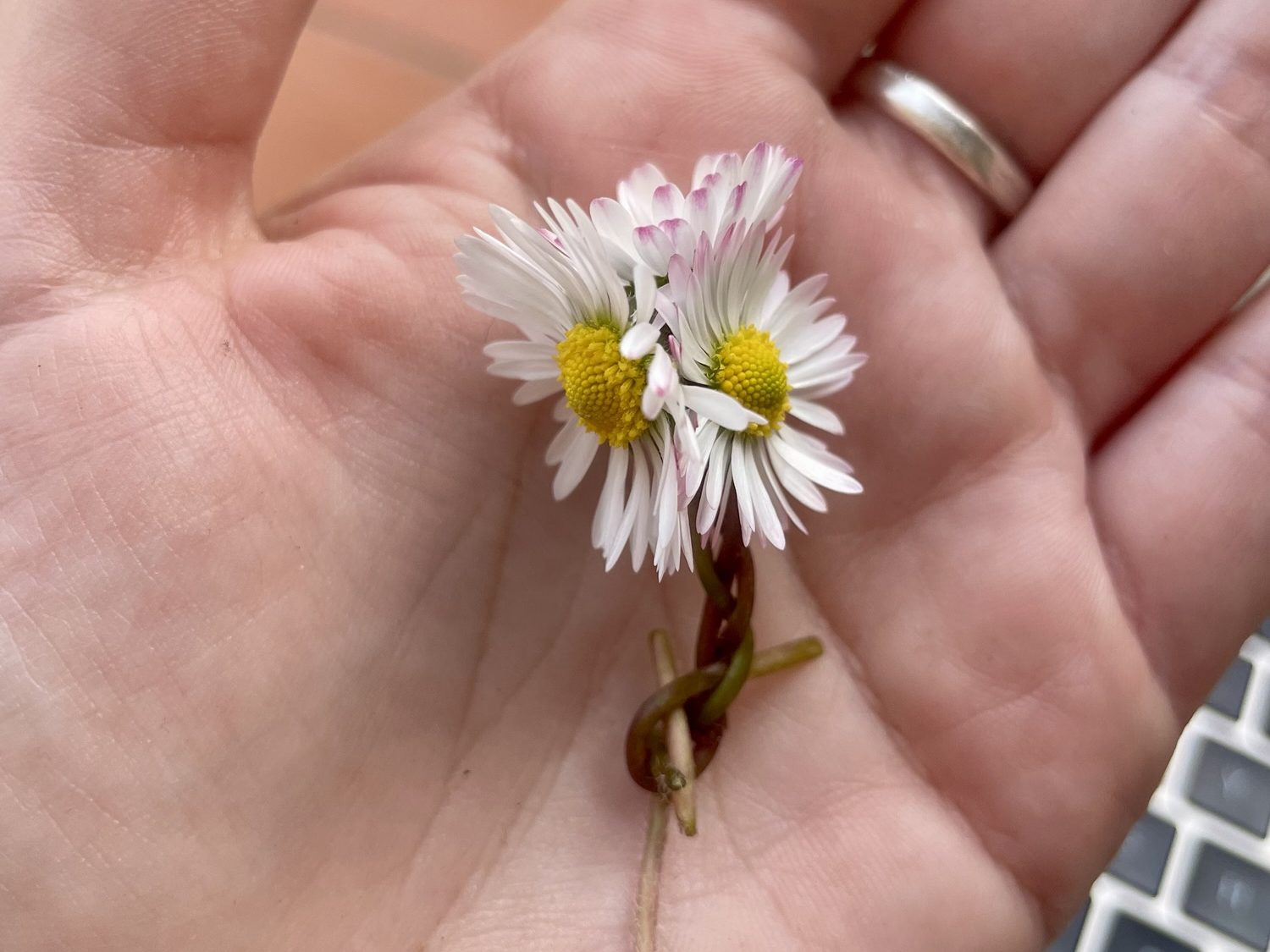
I was reminded of Dante’s dream in Canto 27 of Purgatorio where he encounters the Old Testament characters of Leah and Rachel who were traditionally interpreted allegorically by the Church as figures of the active and contemplative life. Dante writes,
‘… in my dream, I seemed to see a woman
both young and fair; along a plain she gathered
flowers, and even as she sang, she said:“Whoever asks my name, know that I’m Leah,
and I apply my lovely hands to fashion
a garland of the flowers I have gathered.To find delight within this mirror I
adorn myself; whereas my sister Rachel
never deserts her mirror; there she sitsall day; she longs to see her fair eyes gazing,
as I, to see my hands adorning, long:
she is content with seeing, I with labor.’
We drank hot water, a habit Alina had picked up in her decade in China. She looked lovely in a forest themed patterned cotton top and trousers made by her fashion designer mum.
‘How have you packed all this into such a small bag!’ I exclaimed. ‘You’d make a good refugee.’
We both laughed. This is the kind of dark humour that keeps me sane.
After a simple dinner of spaghetti and green beans, we were delighted to discover not just a bin but a bucket and washing up basin into which Alina and I placed our aching feet in hot soapy water as has become tradition.
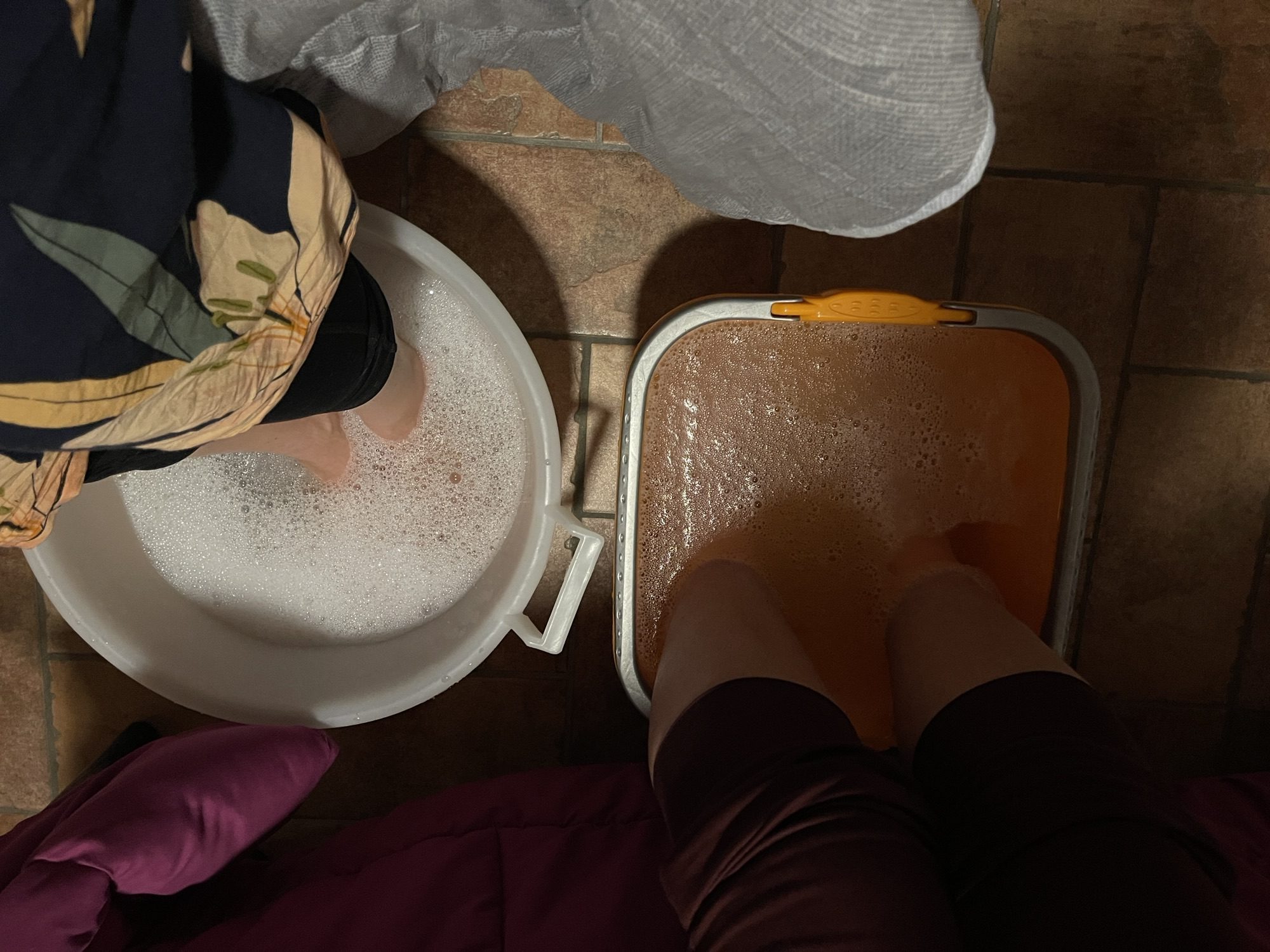
Before bed, we sat outside and contemplated the full moon.
‘You know no woman has ever walked on the moon?’ I said
‘Yet,’ replied Alina. ‘Who knows what wonders the future holds.’
I held my necklace in my hand and made a wish.
Recommended listening: music by Massimo Kyo: https://open.spotify.com/artist/72MZKpGf1ARioeXiHAWXCw?si=4CfTY_SbTk2KGSCMCRCPWw
Recommended listening: the music of Granmaria Testa: https://youtu.be/4f_4HW340Cw?si=JRfV45WqVPUDwt0B
Recommended using: Nardo oil: https://en.wikipedia.org/wiki/Spikenard#:~:text=Spikenard%2C%20also%20called%20nard%2C%20nardin,Nepal%2C%20China%2C%20and%20India.
